Screen print, pad print or engraving: matching the method to the gift
How screen printing, pad printing and laser engraving work, which materials each one suits, and the questions to ask a supplier before you approve.
The same logo can look sharp on one item and smudged on another, and the reason is usually the print method rather than the artwork. Suppliers choose a method based on the material and shape of the item. Knowing the basics lets you ask better questions and spot a mismatch before production starts.
Screen printing
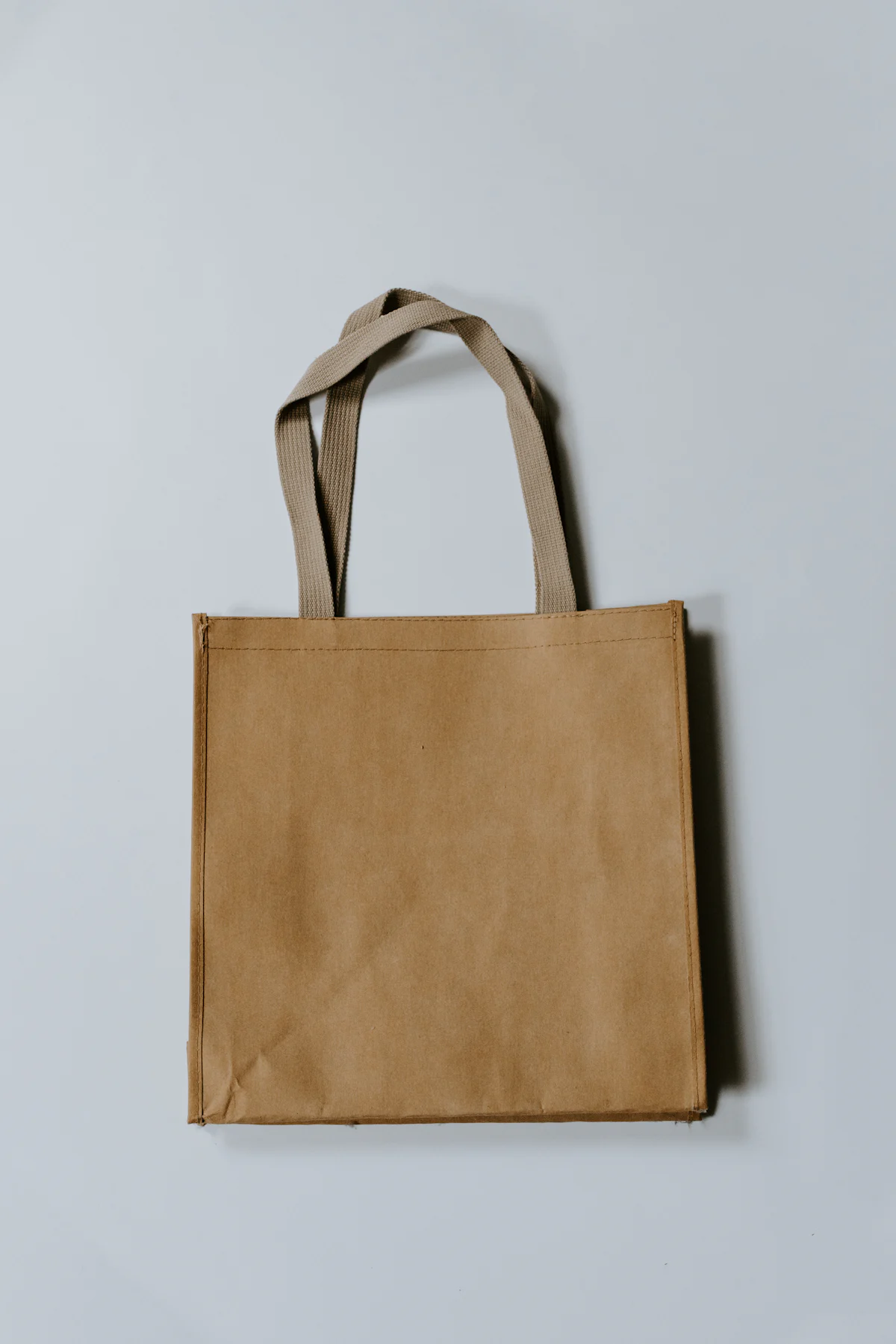
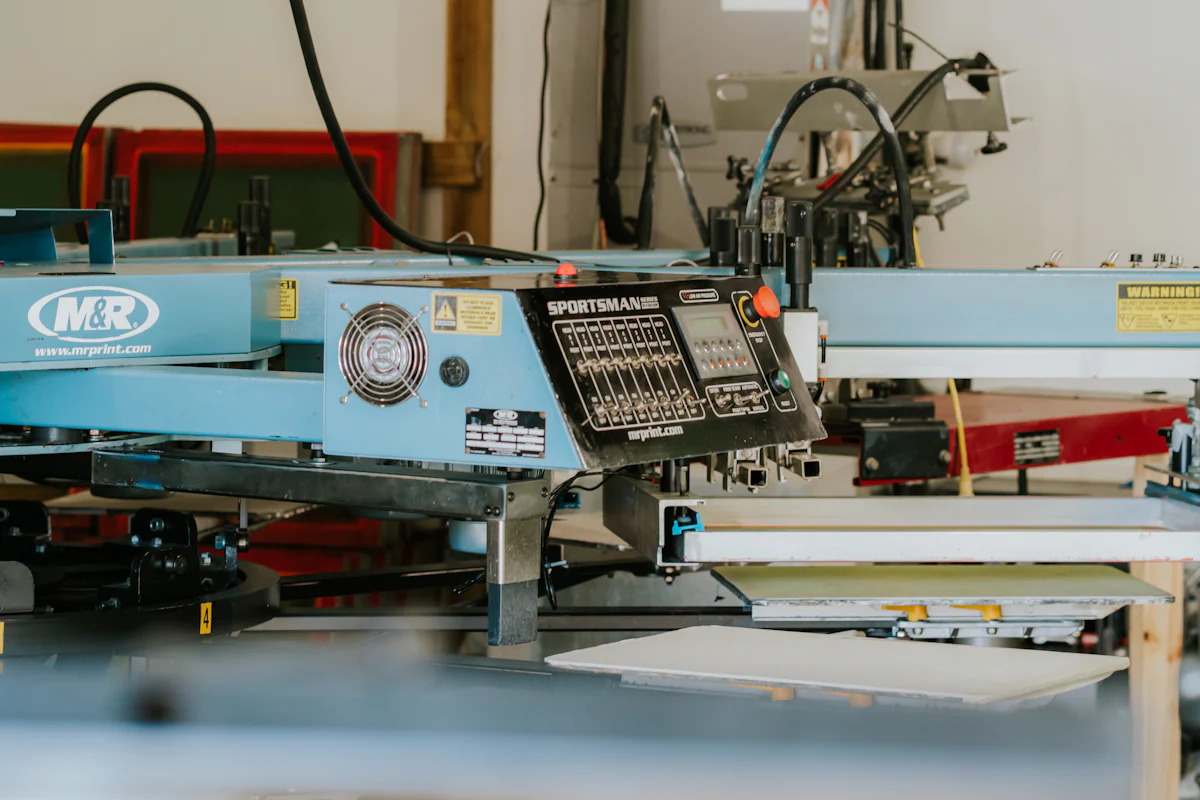
Ink is pushed through a fine mesh stencil onto the surface. Each colour needs its own screen, so a one-colour logo is simpler and usually cheaper than a four-colour one. Screen printing suits flat or gently curved surfaces, which is why it is common on t-shirts, tote bags and other textiles.
It handles solid areas of colour well. Fine gradients and photographic detail are harder. If your logo relies on a gradient, ask for a mock-up or consider a different method.
Good fit for
- Cotton totes and shirts
- Larger flat items such as fabric-covered notebooks
- Logos with one to three solid colours
Pad printing
A silicone pad picks up ink from an etched plate and presses it onto the item. Because the pad flexes, it can reach small, curved or uneven surfaces that a screen cannot. Pens, USB sticks, stress balls and the sides of small tins are typical examples.
The print area is usually small, so a detailed logo may lose its finer lines. A simplified version of your mark, without tiny text, tends to reproduce more cleanly.
Engraving
Laser engraving removes a thin layer of the material itself, leaving the logo as a mark in the surface. There is no ink to wash off or fade. It works on metal, wood, bamboo, leather and some coated items.
Engraving gives a single tone, and the colour of the mark depends on the material underneath. On a steel bottle it reads as silver or grey; on bamboo, a darker brown. If your brand colour matters for a particular gift, engraving will not reproduce it.
Other methods you may see on a quote
Embroidery stitches the logo into fabric and suits caps, beanies and heavier garments. Digital or UV printing can reproduce full colour and gradients on many hard surfaces. Sublimation transfers full-colour designs into polyester or specially coated items such as some mugs. Each has its own limits on size, colour and material, so use these as starting points for a conversation with the supplier.
Questions to ask before you approve
- Which method will you use for this item, and why?
- What is the maximum print area?
- How many colours does the quote include, and what does an extra colour cost?
- Can I see a digital proof, and is a physical sample available?
- How should the item be washed or cleaned so the logo lasts?
Write the answers next to each item on your shortlist. When two suppliers quote for the same product with different methods, those notes make the comparison fair.
Where to go next
Once the method is settled, your artwork needs to suit it. The artwork checklist covers file formats and colour references. Product pages in Brandit's Christmas range list the print options for each item, which is a quick way to see how methods and materials pair up.